

How to Register for MSport in Nigeria
🎯 Ready to bet on sports? Learn how to easily register for MSport in Nigeria with step-by-step guidance, verification tips, payment options, and secure play advice.
Edited By
Emily Clarke
MSport Crash Predictor is a data-driven tool designed to estimate the likelihood of automotive crashes. By analysing historical collision data and vehicle information, it helps stakeholders predict risk levels in different driving scenarios. This tool has gained traction in Nigeria's transport sector, especially as road safety remains a pressing concern.
At its core, the predictor combines driver behaviour, vehicle characteristics, and environmental factors to assess crash potential. For instance, it may analyse the frequency of accidents involving danfos on Lagos roads or consider the condition of roads during the rainy season. By recognising these patterns, MSport Crash Predictor offers practical insight for insurance companies, fleet managers, and regulators.
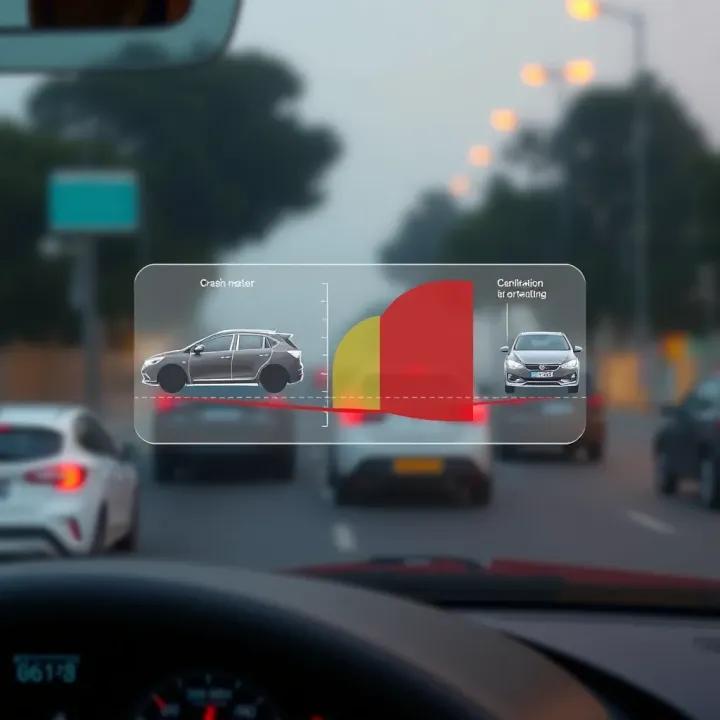
The ability to foresee crash risk allows insurers to adjust premiums fairly and encourages safer driving practices among motorists.
Data Collection: It utilises data from police reports, traffic cameras, and telematics devices installed in vehicles.
Algorithm Analysis: Advanced algorithms process this data, identifying trends like peak accident times or common crash causes.
Risk Scoring: It assigns a risk score to each vehicle or driver, helping organisations estimate potential losses.
With Nigeria’s diverse transport modes—ranging from okadas to buses—understanding crash risk is vital. For example, a transport company using the predictor can track accident rates among its fleet and target driver training where needed. Insurance firms can offer customised plans based on risk profiles, improving claim management. Also, government agencies may use the data to improve road infrastructure or launch targeted road safety campaigns.
By integrating local factors, such as the high vehicle ageing rate due to tokunbo imports or poor road maintenance, MSport Crash Predictor becomes more relevant. It helps cut down road mishaps and the high insurance costs that result, which affect many Nigerians daily.
In all, understanding MSport Crash Predictor equips professionals with actionable data to improve safety and reduce financial losses in Nigeria’s transport ecosystem.
Understanding how the MSport Crash Predictor functions is key to grasping its impact on road safety and insurance risk assessment, especially in Nigeria's fast-moving transport environment. The tool combines diverse sets of data with statistical models to estimate the likelihood and severity of vehicle crashes. This process guides insurers and safety authorities to make informed decisions based on solid evidence rather than guesswork.
The predictor starts with detailed information about vehicles involved. This includes make, model, year of manufacture, engine size, safety features, and maintenance records. For instance, a tokunbo vehicle with outdated safety systems is likely to have a higher crash risk than a newer model equipped with electronic stability control. These factors influence how the predictor judges the vehicle’s vulnerability and hazard potential on Nigerian roads.
By considering vehicle age and type, MSport can account for how durable or prone to breakdowns a car might be. This data helps insurance companies assign premiums that better reflect actual risk, rather than relying solely on broad categories like sedan or SUV.
Next, the tool integrates driver-related inputs such as history of traffic violations, speeding incidents, and previous accidents. It can also use telematics data where available, measuring driving patterns like harsh braking or erratic acceleration. For example, a commercial motorcyclist (okada rider) with repeated speeding tickets might get a higher risk score than a cautious driver with clean records.
Such behavioural data is crucial because it shifts risk assessment from general assumptions to individual profiles. This makes insurance pricing fairer and encourages safer driving habits through potential rewards for good conduct.
MSport also evaluates external factors, including road types, traffic density, weather, and even local infrastructure. In Lagos traffic jams or during heavy rains, accident risks spike. The predictor examines patterns like accident hotspots or times of day with higher crash rates.
Accurately accounting for these variables means the model adapts to Nigeria’s diverse driving landscape—ranging from highways to rural paths shared by pedestrians and okadas. This ensures risk scores reflect the realities drivers face daily.
With the data collected, MSport employs statistical models to estimate how frequently crashes occur for specific profiles. It might analyse thousands of events to determine that vehicles with certain traits and driver behaviours fail or collide more often.
For example, data might show that danfo buses operating in certain Lagos routes are prone to crashes during ember months due to increased traffic and driver fatigue. These patterns allow MSport to predict future crash frequencies, helping insurers shield themselves from unexpected losses.
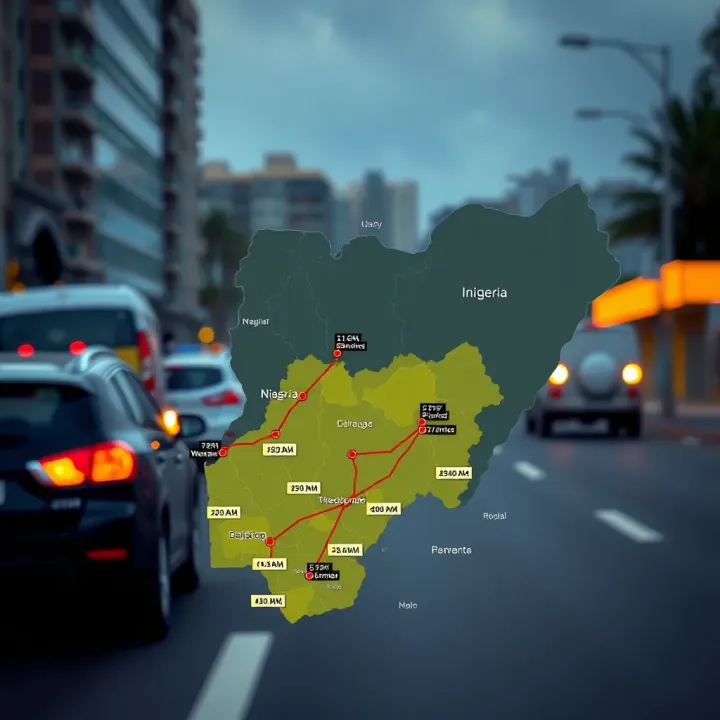
Finally, the tool translates complex data into an actionable risk score—a numerical value representing the probability and expected impact of a crash. This score simplifies decision-making for insurance firms and road safety planners. Higher scores indicate elevated risk, prompting measures like premium hikes or targeted safety campaigns.
This quantification also supports regulatory bodies in spotting high-risk vehicles or drivers swiftly, enabling pre-emptive interventions to reduce accidents.
The MSport Crash Predictor combines concrete vehicle and driver data with local road realities to quantify risk effectively, making it a practical asset for Nigeria's transport and insurance sectors.
The MSport Crash Predictor has diverse practical applications, especially in contexts where accurate risk assessment can save lives and reduce financial losses. Its role spans across insurance underwriting to road safety management, impacting how stakeholders like insurers, regulators, and transport operators make data-driven decisions. Understanding its practical uses helps clarify how the tool contributes to safer roads and more efficient insurance markets, particularly in Nigeria's complex traffic environment.
Risk-based premium adjustments: Insurance companies rely on the MSport Crash Predictor to set premiums that accurately reflect a driver or vehicle's risk profile. By analysing factors like driving history, vehicle type, and environmental conditions, insurers can differentiate rates for high-risk and low-risk clients. For instance, a Hyundai Tokunbo driver with a poor driving record may be charged a higher premium compared to a new driver with a clean history using the same model. This approach not only ensures fair pricing but discourages risky driving behaviours by making them financially disadvantageous.
Fraud detection: The Predictor also aids insurers in identifying potential fraudulent claims. By comparing predicted crash likelihood with reported incidents, discrepancies can trigger investigations. For example, if a driver is identified as low risk by the Predictor but frequently files claims, this mismatch raises suspicion. Detecting such inconsistencies early helps insurers curb inflated losses and maintain affordable premiums for genuine customers.
Identifying high-risk vehicles and drivers: Transport regulators and safety agencies use the MSport Crash Predictor to locate vehicles and drivers more likely to be involved in crashes. By analysing aggregated data, authorities can target high-risk groups—such as commercial drivers operating old danfos or motorcycles (okadas) on busy Lagos roads with poor maintenance records. This identification supports focused interventions, like mandatory retraining or temporary suspension, improving overall road safety.
Informing enforcement strategies: Enforcement agencies can deploy the Predictor's insights to optimise road safety checks and patrols. For example, in bustling Abuja or Kano, where traffic violations are common, authorities might prioritise checkpoints around high-risk routes identified by the tool. This targeted enforcement means limited resources achieve maximum impact, reducing accident rates without burdening every driver indiscriminately.
The MSport Crash Predictor's applications offer insurance firms more accurate risk pricing and regulatory bodies actionable intelligence, making roads safer and insurance practices fairer in Nigeria's complex transport ecosystem.
In sum, the tool's integration into insurance and road management processes represents a significant step toward data-driven safety and financial sustainability. Its continued use promises practical benefits now and in the years ahead.
The MSport Crash Predictor offers practical benefits tailored to the realities of Nigeria’s diverse road and transport environment. Its use extends beyond theory, providing targeted tools for improving road safety and refining insurance risk assessments. This section highlights how the system can bring tangible improvements to Nigerian roads and the insurance sector.
Targeted interventions for high-risk groups
By identifying specific groups—be it drivers, vehicle types, or locations—with higher crash risks, MSport enables authorities to deploy focused safety measures rather than blanket policies. For instance, commercial okada riders or danfo drivers with risky behaviour patterns can be flagged for intensive training or monitoring. This pinpointed approach cuts down resources spent while addressing the root causes of accidents.
This method also helps local governments and traffic agencies plan community education and enforcement strategies clearly centred on the most vulnerable or problematic segments. Instead of the traditional "one-size-fits-all" campaign, interventions become smarter and more cost-effective.
Reducing accident rates
With better risk prediction, road safety bodies can anticipate accident hotspots before they become notorious danger zones. Imagine city traffic planners using MSport data to schedule increased patrols or erect signage in high-risk corridors identified through crash history and environmental factors. This proactive stance directly lowers accident occurrences by prevention rather than reaction.
In Nigeria, where road conditions and driver behaviour vary widely, such insights mean enhanced safety without waiting for tragedies to draw attention. MSport's predictive power empowers not only enforcement but also infrastructure planning to address recurring risks.
Improved risk assessment
Insurance companies traditionally rely on broad statistics or self-reported data, which often miss nuances of driver and vehicle risk. MSport Crash Predictor offers a refined, data-driven view that reveals individual-level risk with greater clarity. This improves the accuracy of underwriting decisions and portfolio risk management.
For example, insurers in Lagos might spot trends that certain vehicle makes or specific routes have higher crash frequencies. This enables selective risk management rather than blanket premium hikes, reducing adverse selection and claims losses.
Fairer insurance pricing
When insurers better understand the actual risk carried by each policyholder, pricing becomes more equitable. Drivers with strong safety records or low-risk profiles can enjoy reasonable premiums while risky behaviours result in appropriate pricing signals.
This fairness encourages safer driving habits and broadens insurance penetration by discouraging cross-subsidisation that penalises cautious drivers. With Nigeria’s growing middle class and expanding transport sector, such data-backed pricing fosters trust and competitiveness in the insurance market.
Using MSport Crash Predictor in Nigeria helps transform guesswork into strategy, providing a clear, practical path to fewer crashes and more balanced insurance systems. The tool's benefit lies in its ability to adapt global models to local realities, delivering results that address Nigeria’s unique transport challenges.
Understanding the limitations and challenges of MSport Crash Predictor is essential for appreciating both its potential and its current drawbacks in Nigerian contexts. These hurdles highlight critical areas for improvement and help users set realistic expectations.
One major challenge lies in the scarcity of detailed, high-quality crash data from Nigeria’s roads. Unlike countries where extensive police, hospital, and insurance records feed data engines, Nigeria often suffers fragmented and incomplete reporting. Many accidents go unreported, especially in rural areas or involving informal vehicles like okadas and kekes. This patchy data limits the predictor's ability to generate accurate crash estimations tailored to local realities.
Without comprehensive datasets, MSport might rely heavily on imported data or models from other countries. Such reliance can reduce its relevance and accuracy given the distinct traffic behaviours, vehicle types, and driving conditions in Nigeria.
Linked to data quality is the issue of reliability. If the input data is inconsistent or out-of-date, the risk scores generated may mislead insurers or road safety officials. For example, a predictor wrongly flagging older tokunbo vehicles as high-risk without factoring in recent maintenance practices common among Nigerian owners would skew decisions.
Moreover, inconsistent crash reporting and classification can cause the model to over- or underestimate specific risk factors. This could affect premium calculations, potentially leading to unfair pricing or missed identification of high-risk cases.
Nigeria's transport landscape is unique, with informal modes like okadas, keke napep, and danfos dominating daily movement, especially in urban centres. The MSport Crash Predictor faces the challenge of incorporating these vehicles meaningfully into its risk models.
These informal modes often lack formal licensing or standard maintenance records, making it difficult to integrate reliable data. Plus, their usage patterns differ significantly from private cars, including frequent stops, unpredictable routes, and diverse driver skill levels. Ignoring these factors may cause the predictor to understate or misclassify crash risks related to informal transport.
Another significant hurdle is Nigeria’s diverse and often inconsistent road infrastructure. From well-paved highways in Lagos to potholed rural roads in the North, the range is vast.
MSport’s prediction models must adjust for such variability, as road quality directly affects crash likelihood. A sharp bend on a well-maintained expressway poses a different risk level compared to the same feature on an unlit, poorly surfaced road in a less developed area.
Failing to capture these nuances might lead to less accurate assessments and hinder targeted interventions. For instance, road safety agencies might not allocate resources effectively if risk scores overlook local road conditions.
Recognising these limitations guides practical improvements, such as enhancing local data collection and tailoring models to Nigeria’s informal networks and uneven infrastructure. This ensures MSport Crash Predictor remains a valuable tool for insurers and safety practitioners alike.
Integrating future developments into the MSport Crash Predictor is essential to improve its accuracy and relevance for Nigeria’s complex transport environment. Updating the system with real-time data and stronger links to local systems will make risk assessments more precise and timely. These enhancements can help insurers offer fairer premiums, while also supporting authorities in targeting road safety measures more effectively.
Use of telematics and GPS tracking: Telematics devices and GPS trackers provide detailed, continuous data about vehicle movement and driver behaviour. In Nigeria, where traffic patterns are often unpredictable due to frequent roadworks, danfo halts, and unplanned obstructions, real-time data can capture these nuances better than static historical records. For example, driving habits on congested Lagos roads differ substantially from those on highways like the Abuja-Kaduna route. By integrating telematics, MSport can better estimate crash risk based on actual driving conditions rather than assumptions.
Mobile data integration: Smartphones are widespread among Nigerian drivers and passengers. Mobile data, when safely accessed with proper consent, can feed information like sudden braking, acceleration, or even external factors such as weather and traffic updates. This data source offers a scalable, cost-effective method to supplement telematics, especially for commercial fleets that may not all have dedicated tracking devices. Including mobile data can help refine the risk prediction models by providing near-instant environmental context and behavioural signals.
Collaboration with regulatory agencies: Cooperating with government bodies like the Federal Road Safety Corps (FRSC) and the Nigerian Communications Commission (NCC) would allow MSport to access regulatory and enforcement data. Such collaboration can improve crash predictor outputs by including accident reports, traffic violation records, and road infrastructure updates. For instance, linking with vehicle inspection agencies can help verify the technical fitness of vehicles, a factor directly influencing crash risk but often missing in current models.
Linking with insurance databases: Connecting MSport with local insurance companies' databases enables a dynamic flow of claims data, policyholder history, and fraud patterns. This connection helps calibrate the predictor’s risk scores specific to the Nigerian market and detects emerging trends earlier. For example, unusual claims spikes linked to particular vehicle models or regions could be flagged quickly. Insurance firms can then adjust premiums more accurately and design intervention programmes targeting high-risk groups.
These future enhancements will make the MSport Crash Predictor more suited to Nigeria's transport realities, driving both safer roads and smarter insurance decisions.
Overall, embracing real-time data and forging strong links with regulatory and insurance bodies offer practical paths to strengthen MSport’s risk assessment role in Nigeria. The result is smarter, timely, and context-aware predictions that can truly impact road safety and financial fairness for all stakeholders.
🎯 Ready to bet on sports? Learn how to easily register for MSport in Nigeria with step-by-step guidance, verification tips, payment options, and secure play advice.

📺 Stream live football, basketball & more on Msport in Nigeria! Learn how to download safely, enjoy smooth viewing despite data challenges & discover handy tips.

🎯 Want to join Msport 9ja? Learn how to register, login, navigate the platform, solve login issues, and keep your sports betting account secure in Nigeria today! ⚽💰

Wondering if MSport is trustworthy? ⚽ Get the lowdown on its safety, legit payments, solid customer support, and secure data handling. Bet smart in Nigeria today!
Based on 6 reviews