
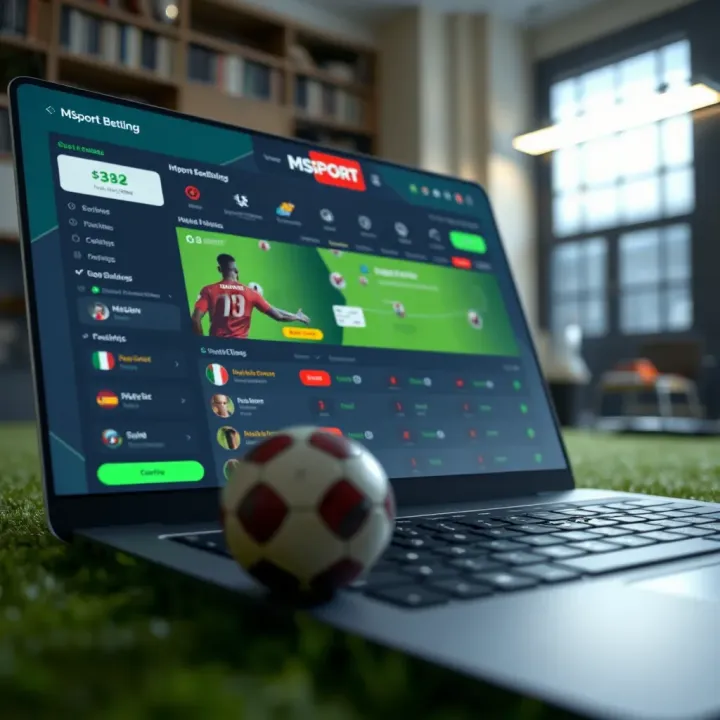
Understanding Msport Sports Betting in Nigeria
Join Msport Nigeria for easy registration, wide betting markets, secure payment options, and tips on responsible betting to boost your odds ⚽💰🇳🇬.
Edited By
Tariq Hassan
MSport Esports has quickly established itself as a major force in Nigeria's rapidly developing esports industry. As a platform, it combines the thrill of competitive gaming with a strong community focus, offering both entertainment and opportunities for serious players.
At its core, MSport Esports hosts tournaments across popular games like FIFA, League of Legends, and Call of Duty Mobile, which have significant followings among Nigerian gamers. These events aren’t just competitions—they bring together players from Lagos, Abuja, Port Harcourt, and beyond, creating a network where gamers can sharpen their skills and connect with fans.
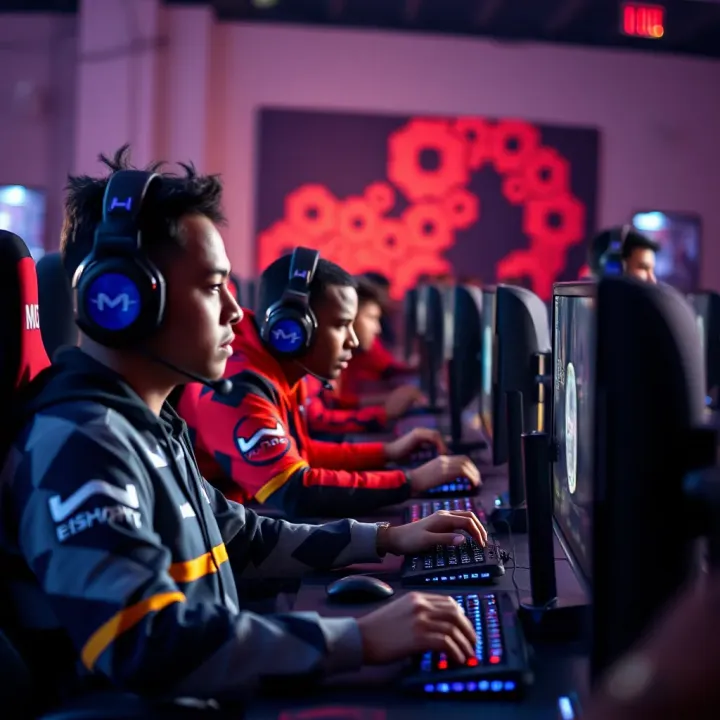
What sets MSport apart is how it fuses local culture with global esports trends. For example, tournaments often feature commentary in both English and Nigerian languages, making the experience more relatable to participants and viewers alike. This approach has cultivated a loyal audience that sees MSport not just as a gaming platform but as a community hub.
The platform's growth is aligned with Nigeria's expanding tech ecosystem. Young Nigerians increasingly use affordable smartphones and wider internet access to enter the digital sports scene, and MSport provides a professional stage for them to showcase talent. Businesses and brands looking to tap into youth markets have also begun partnering with MSport for sponsorship and marketing, recognising its influence.
However, challenges remain. Internet stability and high data costs in some regions can limit participation, while the broader Nigerian esports infrastructure still needs development. MSport is actively working to address these by exploring partnerships and creating accessible formats for players with different connection levels.
MSport Esports is more than just competition; it’s shaping how Nigerians engage with digital sports, fostering community and opportunity in a fast-changing environment.
For anyone interested in Nigeria's digital sports sector, understanding MSport’s role offers key insights into the country’s esports future. Whether you're a player, investor, or fan, MSport’s blend of competition, culture, and community highlights how digital sports are carving out a space in Nigeria's entertainment and tech industries.
MSport Esports holds a distinct place in Nigeria’s digital sports arena, marking itself as a pioneer in competitive gaming within the country. This overview provides essential context about how MSport emerged, what drives its mission, and its role relative to other platforms in Nigeria’s buzzing esports landscape.
MSport Esports began around the mid-2010s, at a time when Nigeria’s internet infrastructure was slowly improving and gamers were clamouring for organised events beyond casual play. The platform was co-founded by a group of Nigerian tech and gaming enthusiasts who noticed that although many were passionate about video games, there was a gap in properly structured, locally relevant esports tournaments and community engagement. Their initial efforts aimed to bridge this gap by creating a homegrown esports brand that could cater to the unique preferences of Nigerian gamers.
The founding background matters practically because it highlights MSport’s roots in the Nigerian context, differentiating it from global platforms primarily geared towards Western players. For instance, whereas international esports events often depend heavily on stable fibre internet and expensive PCs, MSport’s establishment considered local challenges such as intermittent connectivity and the popularity of mobile gaming, which remains the most accessible entry point for many Nigerians.
MSport started with a clear vision: to grow esports in Nigeria not only as a competitive sport but also as a social and economic activity. Their mission targets providing platforms for players to showcase talents, build community, and access career opportunities related to gaming. This means MSport is about more than tournaments — it’s about creating a sustainable ecosystem benefiting players, sponsors, and fans.
Practically, this vision translates into initiatives such as youth training programmes, collaborations with local gaming centres, and partnerships with fintech companies to facilitate prize payments. It also shapes how MSport approaches its event organisation by prioritising inclusivity and accessibility so that even those outside major cities can participate.
MSport Esports works alongside other gaming platforms like Gamer’s Arena, Yaba College of Technology’s gaming club events, and mobile app-based tournaments hosted on Playstore platforms. Unlike many import-driven platforms, MSport tries to blend global popular games with titles that resonate deeply with Nigerian players, such as FIFA, Call of Duty Mobile, and locally popular mobile battle royales.
The relationship with other platforms is less about rivalry and more about complementing the ecosystem—MSport often collaborates with gaming hubs and regional organisers to widen reach. This cooperative stance helps strengthen Nigeria’s esports market and encourages shared resources, reducing costs for players who struggle with high data prices or expensive equipment.
In terms of market presence and influence, MSport has quickly secured its place as one of the top esports brands in Nigeria. Its events regularly attract hundreds of participants nationwide, generating buzz on social media and catching the eyes of sponsors like telecom companies and drink brands. This influence not only elevates the esports culture but also pushes for better recognition of gaming as a legitimate career path in Nigeria.
MSport Esports demonstrates how a well-rooted and locally focused platform can energise a budding industry. Its steady growth underlines Nigeria’s potential as a key player in Africa’s digital sports future.
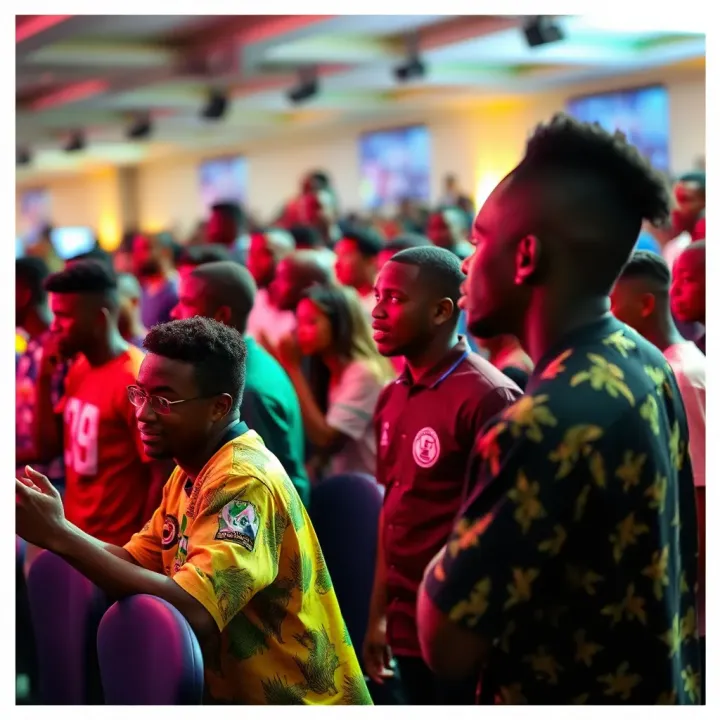
Collections of MSport tournaments serve as a benchmark for quality and reliability, making it a go-to for both players seeking competitive challenges and businesses wanting to tap into Nigeria's youthful demographic through esports.
MSport Esports thrives by hosting tournaments centred on games that resonate with Nigeria's vibrant gaming community. The focus on popular mobile and PC titles ensures that the competitions remain accessible and competitive, drawing in players from various parts of the country. This section sheds light on the key game titles featured and describes how competitions are structured to engage broad audiences.
MSport Esports primarily supports both mobile and PC games, reflecting the Nigerian gamer profile. Mobile gaming holds a special place because smartphones are the most common gaming device, especially in cities like Lagos and Abuja where data access is improving but still limited for many. Popular mobile games such as Call of Duty: Mobile and PUBG Mobile often headline events, allowing gamers with just their phones to participate fully. On the PC side, established titles like League of Legends and FIFA enjoy regular tournament slots due to their strategic appeal and solid fan bases.
The choice of these titles is not random; they reflect Nigerian gamers’ preferences developed through social circles and online communities. For instance, Free Fire attracts many youths in secondary schools because of its fast-paced, easy-to-learn gameplay, while Valorant appeals to a more competitive crowd seeking tactical depth. By adapting its tournaments around such titles, MSport Esports connects well with the everyday gamer and the rising stars in the scene.
MSport runs both local and regional tournaments to nurture grassroots talent while providing bigger stages for skilled players. Competitions often start at the state or city level, allowing gamers from places like Port Harcourt or Kano to showcase their skills without the burden of long-distance travel. Winners from these qualifiers might then proceed to regional events, for example, in Lagos or Abuja, before advancing to national finals. This format encourages greater inclusivity while maintaining a competitive pathway.
Online formats dominate MSport's events, especially in light of Nigeria’s challenging travel and infrastructure issues. Virtual tournaments reduce costs and enable participation from remote areas. Prize pools vary — local contests may offer ₦100,000, while national qualifiers boast up to ₦5 million, reflecting growing sponsorship interest. Besides cash, sponsored gear and gaming accessories are common rewards, which help alleviate the expense of gaming equipment for top contenders.
The accessibility with online competition formats and a well-designed competition ladder gives MSport Esports an edge in nurturing Nigeria’s digital sports talent, making competitive gaming a viable pursuit for many.
Overall, MSport's focus on popular, accessible titles combined with thoughtfully scaled tournaments creates a healthy ecosystem for Nigerian esports to grow steadily. It builds a clear path for gamers aspiring to go pro while keeping the wider community engaged and entertained.
Community engagement and player development form the backbone of MSport Esports' success in Nigeria’s competitive gaming scene. These two elements are essential for sustaining interest in esports beyond just playing, helping to create lasting networks, foster talent, and build an ecosystem where players and fans thrive together.
Social groups and forums serve as vital spaces where gamers across Nigeria connect, share strategies, and organise informal matches. Platforms like Discord servers and WhatsApp groups have become common hubs for MSport Esports enthusiasts. They provide a practical outlet for gamers to exchange tips, keep up with upcoming tournaments, and celebrate wins. By facilitating these interactions, MSport strengthens loyalty among participants and helps the industry grow organically.
On top of digital spaces, events and meetups give the community a physical gathering point. Local LAN parties, viewing sessions for live tournaments, and casual hangouts at gaming centres provide players the chance to network face-to-face. This interaction fosters camaraderie and encourages new players to stay engaged. For example, monthly meetups in Lagos and Abuja have grown steadily, attracting hundreds who come not just to play but to build friendships and exchange knowledge. Such events also open doors for sponsorship and brand partnerships that benefit players.
Training initiatives are critical in helping Nigerians translate passion into professionalism. MSport Esports collaborates with experienced players and coaches to run workshops that focus on skill enhancement, in-game decision-making, and mental resilience. These sessions equip players with the tools to compete at higher levels, including regional and international contests. Practical coaching has produced noticeable improvements among rising stars within the Nigerian scene, giving them confidence and technique typically seen in more mature esports markets.
Equally important are partnerships with gaming centres and schools. MSport works with local internet cafés and computer centres, which provide affordable access to quality gaming equipment and stable internet—two big challenges in many parts of Nigeria. Furthermore, MSport partners with educational institutions to integrate esports clubs and competitions into student activities, exposing younger generations to competitive gaming early. Such collaborations not only nurture talent but also help change perceptions of esports from mere entertainment to a serious, skill-based pursuit.
For MSport Esports, investing time and resources in community-building and player development is not just about growing the player base; it’s about shaping the future of Nigeria’s digital sports culture.
By fostering a tight-knit community and offering practical training opportunities, MSport is playing a key role in the steady professionalisation of Nigerian esports.
The rise of MSport Esports in Nigeria comes with several hurdles that could slow down its growth. Understanding these challenges helps stakeholders—players, organisers, sponsors—to chart realistic strategies for sustained development. Issues range from infrastructure gaps to financial constraints and regulatory hurdles, each impacting how the esports ecosystem expands.
Connectivity issues pose a significant barrier for MSport Esports, especially given Nigeria’s uneven internet infrastructure. In many parts of the country, internet speeds are slow and unreliable, with frequent outages. This affects online tournaments and real-time game streaming, which are crucial for competitive gaming and fan engagement. Even Lagos and Abuja, with relatively better connectivity, suffer periodic disruptions, creating frustrations for players and organisers.
For example, players relying on mobile data or fixed broadband often face lag and disconnections during high-stakes matches, undermining fair competition. Without stable and affordable internet across Nigeria, MSport Esports struggles to offer a seamless gaming experience, limiting participation from emerging talent living outside major cities.
Access to quality gaming equipment also hinders growth. Most gamers in Nigeria depend on personal devices, many being tokunbo or mid-range PCs and smartphones, which may not meet the performance requirements of competitive titles. The high cost of professional gaming gear—such as high-refresh-rate monitors, gaming keyboards, and low-latency headphones—puts them out of reach for many enthusiasts.
Gaming centres, though growing, are still sparse and unevenly distributed across states. Without access to such facilities, aspiring players miss out on training environments that could sharpen their skills. This equipment gap stalls talent development and reduces the overall standard of play hosted by MSport Esports.
Sponsorship and funding remain tough nuts to crack for MSport Esports. Unlike traditional sports, esports is only beginning to attract reliable investment from Nigerian brands. Many companies hesitate due to limited awareness or concerns about returns on investment. This lack of financial backing affects prize pools, event production quality, and marketing reach.
For example, top-tier tournaments in countries like South Africa or Kenya secure multi-million-naira sponsorship deals that boost player incentives and visibility. Nigerian esports events, including those by MSport, often rely on smaller budgets, which may not compete well to draw in wider audiences or international partners.
Government policies are another factor shaping the industry’s trajectory. Nigerian regulators have yet to develop comprehensive frameworks explicitly recognising esports as a legitimate sector. Without clear guidelines on taxation, licensing, and intellectual property for gaming platforms, organisers face uncertainties that complicate business planning and partnerships.
Furthermore, strict import duties on electronic goods inflate costs for gamers and event organisers procuring equipment. Power supply inconsistencies, a broader infrastructural challenge, also indirectly impact esports venues' operational costs due to heavy reliance on generators.
Addressing these infrastructure, funding, and regulatory challenges will be key for MSport Esports to scale effectively and support Nigeria’s position in the wider African esports community.
Exploring future prospects and opportunities is vital to understanding how MSport Esports can strengthen and grow within Nigeria and beyond. This outlook not only shapes strategic planning but also shows where players, investors, and stakeholders can channel resources for maximum impact. Given Nigeria's youthful population and rising internet access, MSport Esports stands at the threshold of significant expansion in both audience and operations.
Audience growth trends in Nigeria point to an increasing appetite for digital entertainment, with gaming becoming a major pastime among youth. More affordable smartphones and data plans have widened access to esports platforms like MSport. According to recent reports, Nigeria’s internet penetration has passed 50%, opening new doors for gaming content consumption and participation. This rising digital audience means that MSport Esports tournaments and streaming events can reach deeper into major urban centres like Lagos and Abuja, as well as tier-two cities where emerging gamers are found.
Moving beyond Nigeria, expansion into under-tapped regions across Africa presents a practical opportunity. Countries like Ghana, Kenya, and South Africa are seeing similar trends in esports interest but still have fewer organised tournaments and professional platforms. MSport can tap into these markets through regional partnerships, affiliate competitions, and strategic content sharing, taking advantage of the continent’s shared languages and cultural ties. Building local hubs or online communities in these areas would help scout talents and establish a foothold before competitors do.
Engagement with brands and fintech firms is already shaping how Nigerian esports evolve. MSport Esports, by teaming up with fintech startups like Flutterwave or Paystack, could streamline payment for events and prize distributions, making transactions safer and smoother for players and fans. Traditional FMCG brands or telecom companies like MTN and Airtel can also sponsor tournaments, gaining access to millennials and Gen Z consumers who are the core esports audience. Such collaborations not only bring in funds but also raise esports’ profile as a professional sport.
Building sustainable business models remains key for MSport’s long-term survival. This means creating diversified income streams beyond just entry fees and prize money. Subscription services for exclusive content, merchandise sales, or licensing rights for broadcast on Nigerian TV stations could form part of the mix. Regular engagement with government agencies to secure regulatory clarity and possible tax incentives will also reduce operational risks. Overall, pairing a community-first approach with solid commercial strategies will help MSport thrive in a competitive digital economy.
Nigeria’s esports scene is at a tipping point, where strategic growth and effective partnerships can turn MSport Esports from a rising platform into an industry leader across Africa.
By focusing on these prospects and collaboration avenues, MSport Esports can expand its reach, improve player experience, and attract fresh investment to sustain its rising momentum.
Join Msport Nigeria for easy registration, wide betting markets, secure payment options, and tips on responsible betting to boost your odds ⚽💰🇳🇬.
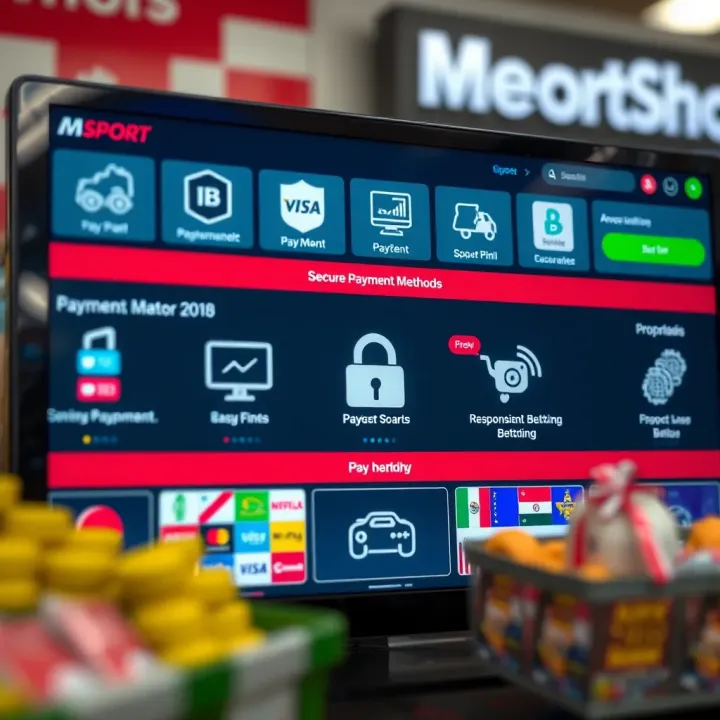
Explore Msport Shop Bet 🎯, a top Nigerian platform for betting on football & more. Learn types of bets, payment options ₦, tips & how to play responsibly safely.
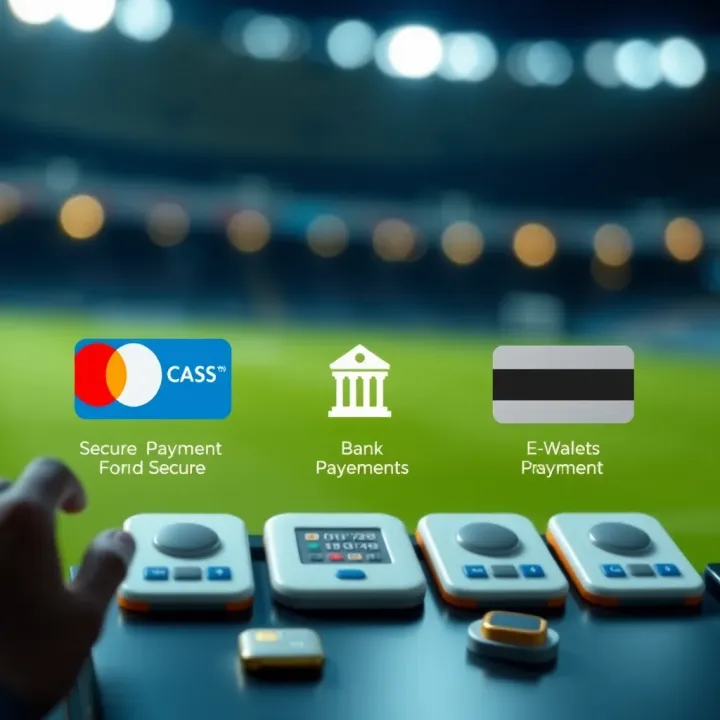
🎯 Ready to bet on sports? Learn how to easily register for MSport in Nigeria with step-by-step guidance, verification tips, payment options, and secure play advice.

📺 Stream live football, basketball & more on Msport in Nigeria! Learn how to download safely, enjoy smooth viewing despite data challenges & discover handy tips.
Based on 11 reviews