

MSport Premier League Tips Today for Nigerian Fans
⚽ Get sharp MSport Premier League tips to boost your betting today. Break down teams, odds, and strategies tailored for Nigerian football fans ready to win big ₦.
Edited By
Laura Stevens
MSport Ligue 1 stands as a significant football competition, not just within Nigeria but across parts of West Africa. Established to nurture local talent and provide a platform for competitive matches, this league has grown steadily, attracting passionate fans and influential stakeholders.
At its core, MSport Ligue 1 features a structured season where teams contest weekly matches at home and away venues, engaging in a league format that emphasises consistency and performance. Typically, the league runs for about six to eight months, depending on scheduling and external factors like national tournaments or international fixtures.
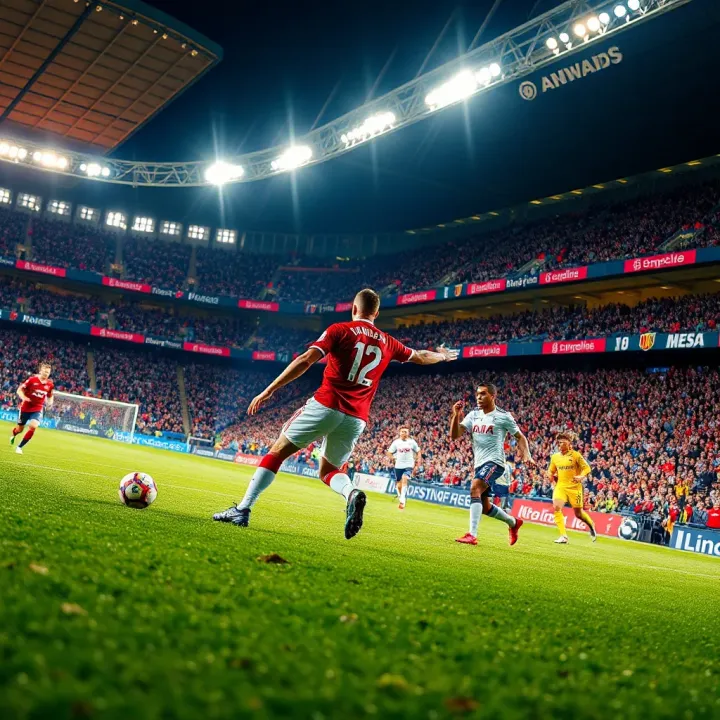
The league currently comprises 20 clubs, representing a mix of established football giants and rising sides from different Nigerian states. Clubs like Lagos United FC and Kano Warriors have become household names, known for their tactical discipline and ability to draw large crowds, which fuels the competitive spirit and local economy in their areas.
One key factor setting MSport Ligue 1 apart is its emphasis on developing youth players. Several clubs invest heavily in academies and partnerships with grassroots organisations to scout promising lads from towns and villages. For example, Ibadan Colts Academy feeds talent directly into league teams, ensuring the pipeline to professional football remains vibrant.
The impact of the league transcends the pitch. Regular league matches energise local communities, providing weekend entertainment and a shared sense of pride. Small businesses — from roadside mama puts selling snacks to local transport operators using danfos and okadas — often see upticks in patronage on match days.
MSport Ligue 1 acts as more than a football tournament; it’s an engine for community development, youth empowerment, and economic activity.
For followers and prospective fans, understanding the league’s calendar is crucial. Matches typically happen on weekends or evenings to accommodate working professionals and students, ensuring maximum attendance. Ticket prices remain accessible, reflecting the league’s community focus.
To sum up, MSport Ligue 1 blends competitive football, talent development, and cultural connection. As Nigerian football pursues greater international recognition, the role of leagues like MSport Ligue 1 becomes more vital in growing the sport sustainably and creating opportunities for players, fans, and entire communities alike.
The history and growth of MSport Ligue 1 hold a special place in understanding the league’s development and current stature in Nigerian football. Tracking its origins and expansion helps reveal practical insights into how regional leagues can transform into prominent competitions that engage fans and drive local economies.
MSport Ligue 1 was established in the early 2000s as part of a broader effort to boost domestic football and provide a platform for Nigerian talents outside the more saturated professional leagues. Initially starting with just eight teams, the league aimed to bridge gaps in player development and offer consistent competitive matches across different states. The founding brought together local clubs, investors, and community stakeholders keen on developing football culture at grassroots and semi-professional levels.
This was no small feat, considering the dominance of bigger leagues in major cities like Lagos and Abuja. MSport Ligue 1 stepped in to offer more regular fixtures in less covered regions.
At the start, the league faced numerous hurdles such as poor funding, inadequate infrastructure like subpar pitches, and limited media coverage. Clubs struggled with travel logistics—on Nigerian roads where danfo traffic and bad conditions often delayed teams—and player retention, as bigger clubs lured away promising talents.
Despite these challenges, key milestones like the successful completion of the first full season and the introduction of sponsorship deals marked progress. The league’s governance gradually improved, streamlining fixture scheduling to avoid clashes with Nigerians’ busy weekends, which helped increase spectator turnout.
Following its initial years, MSport Ligue 1 expanded from eight to sixteen teams within a decade, doubling opportunities for players and diversifying fan engagement. This enlargement coincided with the building and renovation of more stadiums, moving away from makeshift grounds to better-maintained facilities with higher seating capacities.
Such developments encouraged attendance growth and allowed the league to host matches across multiple states. For example, Lagos, Kano, and Port Harcourt now boast stadiums regularly holding MSport Ligue 1 matches, drawing local fans who usually congregate their weekends around these clubs.
Fan attendance surged as clubs mobilised local communities through outreach programmes, football clinics, and matchday experiences that went beyond just the game. Some clubs aligned themselves with popular local culture—featuring cultural dances and local delicacies at matches—making the event a weekend destination.
Media coverage also shifted from local radio mentions to mainstream sports channels and digital platforms. The growing visibility attracted better sponsorships and partnerships with renowned brands, which provided financial boosts a few years ago that were previously unheard of. Nowadays, social media buzz around MSport Ligue 1 fixtures rivals larger leagues, showing how far it has come.
The growth story of MSport Ligue 1 illustrates how local sports initiatives, when nurtured properly, can become engines of community pride and economic activity, while simultaneously feeding national football talent pipelines.
Understanding the league format and competition structure is central to grasping how MSport Ligue 1 operates and maintains its competitive edge. These elements define the rhythm of the season, how points are earned, and ultimately, how champions emerge or teams face relegation. For fans, players, and stakeholders, this structure provides clarity on what to expect, making the league more predictable and engaging.
MSport Ligue 1 typically runs from early November through to May, aligning with Nigeria’s football calendar and international windows. This period allows teams to play a balanced number of matches, usually around 38 games assuming a 20-team league. The calendar factors in breaks for international duty, especially during Africa Cup of Nations qualifiers, ensuring clubs don’t lose key players unexpectedly.
This scheduling helps fans plan attendance and viewership, contributing to steadily growing average match attendance figures. For example, weekend matchdays on Saturdays and Sundays draw larger crowds, while midweek fixtures cater to televised audiences.
Fixture lists are designed to reduce travel strain, especially given Nigeria’s vast geography and road conditions. For instance, teams from Lagos and Abuja often have back-to-back away matches to nearby cities rather than criss-crossing the country repeatedly. This also cuts down costs and improves player recovery time.
Moreover, scheduling takes into account local events like elections or religious festivals such as Eid and Christmas to avoid clashes that might affect security or fan turnouts. The league management cooperates with local authorities to ensure smooth operations on matchdays.
MSport Ligue 1 follows the common points system: a win earns a team 3 points, a draw 1 point, and a loss zero points. This straightforward system incentivises teams to play for victories rather than settle for draws, encouraging attacking football that fans enjoy.
The points earned across the season determine standings, influencing championship winners, continental qualification spots, and relegation candidates.
When two or more teams finish level on points, tiebreakers come into play. First, goal difference—a simple subtraction of goals conceded from goals scored—is considered. If still tied, the total goals scored are checked next.
In extreme cases where teams remain inseparable, head-to-head results between tied clubs decide rankings. This method ensures fairness by valuing direct competition.
For international tournament qualification, such as CAF Champions League, the top two or three teams typically earn slots based on final league positions.
MSport Ligue 1 is directly linked to lower divisions, particularly the Nigerian National League (NNL). At the end of each season, the bottom three teams in Ligue 1 are relegated to NNL, while the top three from NNL gain promotion. This movement keeps the league fresh, allowing ambitious clubs from lower tiers a chance on the big stage.
This system fosters healthy competition across all levels of Nigerian football and prevents stagnation, as even established clubs must perform well to avoid the drop.
Promotion and relegation bring high stakes to every matchday. Teams near the bottom fight to avoid relegation, creating intense fixtures often described as ‘relegation six-pointers’. Meanwhile, promoted clubs aim to prove themselves and secure survival.
This dynamic ensures the league remains competitive right to the last matchday, with consequences affecting club finances, player transfers, and fan morale. Clearly, the structure motivates teams to maintain consistent quality throughout the season.
The league's format not only provides excitement through match outcomes but also ensures that every point and goal counts towards a club's destiny, energising Nigerian football fans across cities and states.
This overview of MSport Ligue 1's league format and competition structure shows how careful planning and established rules combine to create a vibrant and engaging football league that aligns well with local realities.
Understanding key teams and rivalries in MSport Ligue 1 is vital to grasp the league's competitive spirit and cultural impact. These elements not only drive fan engagement but also shape the league’s identity and local football culture.
Several teams in MSport Ligue 1 have demonstrated consistent success over the years. Clubs like the Lagos Lions and Abuja Warriors have multiple championships under their belt, making them benchmarks for excellence. Their winning traditions set standards for other clubs and influence league dynamics.
These historical champions often attract sponsorships and better players, which can boost the league’s overall quality. For instance, Lagos Lions’ dominance in recent seasons has drawn more media attention and higher matchday revenues, benefiting not only the club but the league at large.
Strong fan bases are the lifeblood of MSport Ligue 1. Teams like Enugu Eagles and Port Harcourt Panthers enjoy passionate followings that fill stadiums regularly. This fanaticism creates colourful atmospheres during matches and reinforces community identity.
Besides enhancing the matchday experience, large fan bases also provide stable revenue through merchandise sales and ticket purchases. For example, Enugu Eagles' supporters have been instrumental in organising local fan events, strengthening club loyalty and expanding grassroots football enthusiasm.
Derby matches between neighbouring or historically connected teams, such as Lagos Lions versus Lagos Rovers, hold particular significance in MSport Ligue 1. These games ignite strong emotions among fans, sometimes surpassing the importance of regular league fixtures.
Such clashes boost ticket sales and television ratings. The rivalry often reflects local pride and historical tensions, making derby days a key marker in the league calendar. They serve as platforms for players to thrive under pressure and for clubs to assert dominance in their regions.
Certain matches in the league have decisively shaped the outcomes of entire seasons. For example, a last-minute victory by Abuja Warriors against Port Harcourt Panthers in the 2022 season ensured their championship win, underlining how pivotal moments in single fixtures can carry great weight.
These matches not only offer thrilling entertainment but also influence team morale and tactics for the remaining fixtures. The memory of such games energises fan communities and often becomes part of league folklore, inspiring upcoming players and supporters alike.
Key teams and rivalries in MSport Ligue 1 are more than just about winning; they represent culture, identity, and local pride, contributing to football’s ever-growing role in Nigerian society.
Historical champions set the bar for competitive standards.
Clubs with loyal fans sustain economic and cultural growth.
Derby matches intensify competition and deepen fan engagement.
Defining matches influence league narratives and season outcomes.
Together, these aspects highlight why MSport Ligue 1 remains a dynamic and beloved fixture in Nigeria’s football scene.
The role of player development and talent cultivation in MSport Ligue 1 cannot be overstated. This league acts as a vital platform for nurturing young footballers who could one day elevate Nigerian football to greater heights. Beyond mere competition, MSport Ligue 1 invests heavily in creating pathways that groom raw talents into professional athletes ready for challenges both at home and abroad.
Youth academies linked to MSport Ligue 1 clubs lay the groundwork for developing disciplined and technically skilled players. These academies offer structured training environments where youngsters learn fundamental skills, tactical awareness, and physical conditioning. For example, clubs like Grassroot United FC and Lagos Lions have academies that focus on education alongside football, ensuring that players receive balanced development.
Beyond just football skills, academies teach professionalism and mental toughness necessary to survive the pressures of elite sports. This preparation helps reduce the many drop-offs seen in Nigerian football where promising youths lose direction after early successes. Through these academies, clubs build pipelines feeding directly into their senior teams, which boosts competitive standards in the league.
Scouting is crucial for identifying hidden gems beyond the major cities. MSport Ligue 1 clubs maintain extensive networks that visit local leagues, schools, and tournaments nationwide. Scouts frequently travel to states with strong football cultures like Kano, Enugu, and Port Harcourt to spot prospects overlooked by bigger clubs.
This decentralised scouting approach ensures a broad talent pool and helps diversify club rosters. It also encourages young players in remote areas by showing that impressive performance can open doors at top-tier clubs. The active scouting fosters competition among clubs to discover and secure the next breakout star, which raises the overall quality of the league.
Several current Nigerian internationals and league standouts began their careers in MSport Ligue 1. For instance, Chinedu Okoro, now at a European club, was first noticed while playing for Kaduna Thunder in MSport Ligue 1. Such success stories inspire young players and build the league's reputation as a credible developmental ground.
These players prove that consistent performance in the league can attract national team selectors and foreign scouts. The visibility and competitive experience they gain shape their careers, encouraging more structured training regimes and personal discipline.
MSport Ligue 1 increasingly serves as a stepping stone for players aiming to join international leagues. Over the past five years, numerous transfers have connected home-grown talents to clubs in Europe’s lower and mid-tier leagues, as well as in North Africa and Asia.
These moves benefit both the players and Nigerian football. Players earn higher wages and professional exposure, while clubs gain financial returns from transfer fees. This economic aspect also motivates clubs to improve their scouting and coaching infrastructure, hoping to groom more transferable talents.
Developing youth players through academies and a wide scouting network has positioned MSport Ligue 1 as a crucial contributor to Nigerian football’s future, offering real opportunities for players to rise from local pitches to global stages.
MSport Ligue 1 has grown beyond just being a football league; it now plays a major role in shaping Nigerian football on multiple fronts. From contributing talented players to the national team to boosting local economies and community engagement, the league’s impact is widespread and tangible.
Players Representing Nigeria
The league serves as a key pipeline for national team talent. Several players currently representing Nigeria in international fixtures began their careers in MSport Ligue 1, demonstrating the league's capacity to develop homegrown stars. For example, a midfielder like Chinedu Ihekwoaba honed his skills in the league before earning his place on the Super Eagles squad. MSport Ligue 1’s competitive environment helps players build stamina, tactical awareness, and adaptability—critical qualities for performing on the international stage.
Influence on Playing Styles and Coaching
Coaching approaches in MSport Ligue 1 have progressively aligned with international standards, influenced by tactical innovations introduced by foreign coaches and returning Nigerian coaches with overseas experience. This has led to a mix of playing styles emphasizing both technical skill and physicality, characteristic of modern Nigerian football. Clubs in the league regularly adopt advanced training methods, including video analysis and fitness tracking, which have filtered down to grassroots teams and coaching clinics, raising the overall quality of football training in Nigeria.
Economic Benefits for Cities and Clubs
MSport Ligue 1 games attract sizeable crowds that boost local business activities, especially in host cities like Lagos and Abuja. On matchdays, vendors selling everything from refreshment to jerseys benefit directly, while clubs generate revenue through ticket sales and sponsorship deals. For instance, increased attendance at a game involving Enugu Rangers can bring in several million naira in a single match day, a significant income source supporting club operations. These economic activities trickle down to create jobs and stimulate informal sectors such as transportation and food services.
Engagement with Fans and Grassroots Development
Fan engagement in MSport Ligue 1 is vibrant; social media platforms buzz with discussions, while clubs organise outreach programs in schools and local communities. These initiatives help build loyal support bases and cultivate the next generation of players. Grassroots programmes linked with clubs provide coaching clinics, equipment donations, and talent scouting opportunities, which are central to sustaining football growth across Nigeria. By involving local youths early, the league fosters a sense of ownership and pride, making football a true community affair.
MSport Ligue 1 is not just a competition but a critical pillar supporting Nigeria’s football ecosystem—nurturing talent, creating economic opportunities, and knitting tighter bonds between football and the communities it serves.
⚽ Get sharp MSport Premier League tips to boost your betting today. Break down teams, odds, and strategies tailored for Nigerian football fans ready to win big ₦.

Explore MSport B's role in Nigeria's sports and entertainment sector ⚽🎬 Discover its key features, business benefits, user advantages, challenges, and growth prospects.
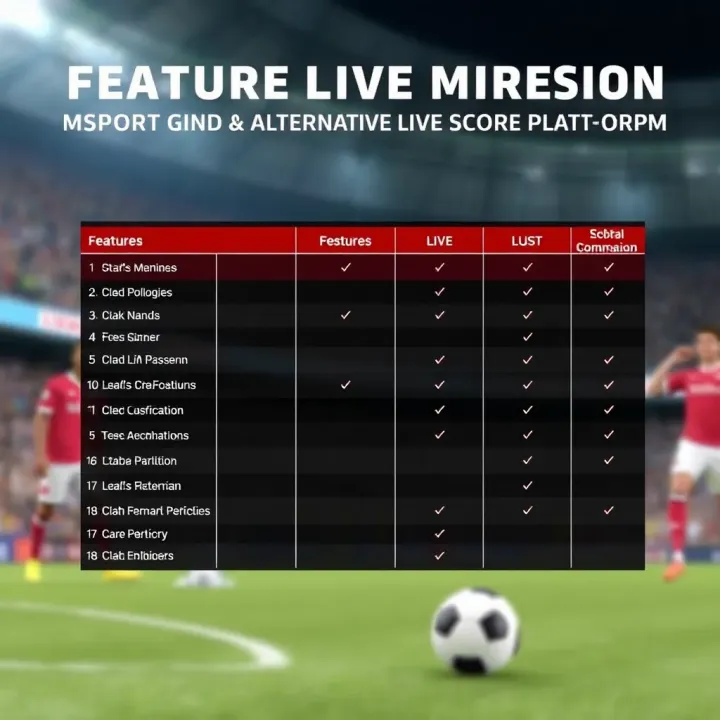
⚽ Get live football scores instantly with Msport! Stay updated on global leagues and Nigerian matches, easy to use on mobiles. Compare with other apps now!

⚽ Get every Champions League match live on msport Nigeria! Learn how to watch games, enjoy exclusive features, and keep up with your favourite teams hassle-free.
Based on 5 reviews